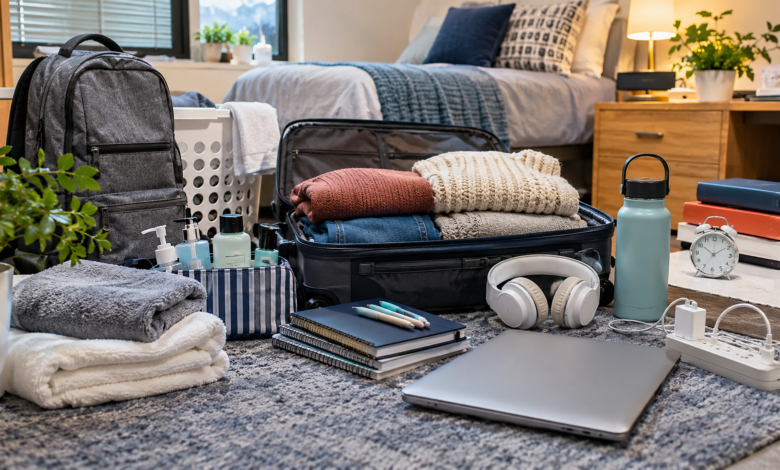
Moving to college or university for the first time means preparing for a new environment, managing everyday responsibilities and making sure you have everything needed for comfortable student life. A well-organised college packing list can make this process easier, particularly if you are moving into student accommodation away from home.
Students need more than clothes and textbooks. Bedding, personal hygiene products, electronic accessories, laundry supplies, kitchen essentials and important documents all play a role in making the transition smoother.
However, packing everything you own is rarely a good idea. Most university rooms have limited storage, and many accommodation providers already supply furniture, kitchen equipment and other basic facilities.
This guide covers 50 essential things every student needs, with practical recommendations for students in the United Kingdom, United States, Canada, Australia and other international destinations. It also explains what to leave at home, how to avoid overpacking and what to check before moving into your new room.
50 Essential Things to Include in Your College Packing List
The following checklist covers the most important categories for students moving into college accommodation. Some items are essential for almost everyone, while others depend on your accommodation, location and personal requirements.
1. Bedding and Bedroom Essentials
Your bedroom should be comfortable enough for sleeping, studying and relaxing after a busy day. Before buying bedding, check the exact mattress dimensions provided by your accommodation.
1. Bed sheets: Bring at least two sets so you can change them while washing the other set. Check whether you need single, double, Twin XL or king single sheets.
2. Pillow and pillowcases: A comfortable pillow and spare pillowcase make your sleeping arrangements more practical.
3. Duvet or comforter: Choose suitable bedding for the climate and heating arrangements in your accommodation.
4. Mattress protector: This helps protect the mattress from stains, dust and everyday wear.
5. Laundry basket: A collapsible laundry basket or lightweight hamper helps keep dirty clothes organised.
2. Clothing and Footwear
Your clothing requirements will depend on the local climate, university activities and how often you plan to visit home.
6. Everyday outfits: Pack comfortable T-shirts, trousers, jeans and other clothing suitable for regular classes.
7. Warm clothing: Bring jumpers, hoodies and warm layers if you are studying somewhere with cold winters.
8. Formal outfit: Keep at least one smart outfit for interviews, presentations, university events and professional occasions.
9. Comfortable shoes: Choose practical footwear for walking around campus and attending classes.
10. Slippers or shower sandals: These are useful for shared bathrooms, communal showers and walking around your accommodation.
11. Raincoat or umbrella: Particularly useful in the UK, Canada and other destinations where weather can change quickly.
12. Sportswear: Include suitable clothing for gym sessions, outdoor activities and university sports.
3. Toiletries and Personal Hygiene
Personal hygiene products are everyday necessities, particularly when you are sharing bathroom facilities with other students.
13. Toothbrush and toothpaste: Pack your regular dental care products and consider bringing a spare toothbrush.
14. Shampoo and conditioner: Choose products that suit your hair type and personal preferences.
15. Body wash or soap: Bring your preferred bathing products in travel-friendly containers if you are travelling internationally.
16. Deodorant: A daily hygiene essential for maintaining freshness throughout the day.
17. Towels: Pack bath towels and at least one smaller hand towel.
18. Shower caddy: A portable organiser makes carrying toiletries between your bedroom and a shared bathroom easier.
19. Skincare products: Bring your usual moisturiser, cleanser, sunscreen and other personal skincare essentials.
20. Personal grooming kit: Include a hairbrush, comb, nail clippers, razor and other products you regularly use.
4. Study Supplies and Academic Essentials
A dedicated study setup helps you organise assignments, prepare for examinations and keep track of academic responsibilities.
21. Laptop or tablet: A reliable device is useful for research, online lectures, assignments and communication.
22. Laptop charger: Keep the original charger and consider carrying a suitable spare charging cable.
23. Notebooks: Bring notebooks for lecture notes, planning and individual subjects.
24. Pens and pencils: Include different writing tools, highlighters and a small pencil case.
25. Folders or binders: These help organise printed documents, assignments and important course materials.
26. Backpack: Choose a comfortable bag with enough space for your laptop, books, stationery and water bottle.
27. Calculator: Check your course requirements before purchasing one, particularly for mathematics, engineering and science subjects.
28. Desk organiser: A small organiser keeps stationery, documents and other study materials within easy reach.
5. Electronics and Technology
Technology is an important part of modern student life. However, you should prioritise devices you genuinely use rather than bringing unnecessary electronics.
29. Smartphone: Your phone helps with communication, university applications, schedules and everyday tasks.
30. Headphones or earbuds: Useful for listening to lectures, attending online meetings and studying in shared spaces.
31. Power bank: A portable charger can help keep your phone running when you are away from your room.
32. USB drive or external storage: Useful for transferring and backing up important academic files.
33. Suitable power adapter: International students should check the destination country’s plug type and voltage compatibility before bringing electrical equipment.
34. Surge-protected power strip: Bring one only if your accommodation permits it and it meets the relevant electrical safety requirements.
6. Kitchen and Food Essentials
Students living in self-catered accommodation may need basic kitchen equipment. However, catered accommodation and shared student kitchens can provide many of these items already.
35. Reusable water bottle: Helps you stay hydrated during lectures, studying and outdoor activities.
36. Plates and bowls: A small set of reusable crockery is sufficient for everyday meals.
37. Cutlery: Bring a basic selection of forks, spoons and knives.
38. Mug or coffee cup: Useful for tea, coffee and other hot drinks.
39. Saucepan and frying pan: These are helpful for preparing simple meals if your accommodation allows personal cookware.
40. Food storage containers: Useful for storing leftovers, preparing meals and keeping food organised.
41. Washing-up supplies: Bring washing-up liquid, a sponge and a tea towel for cleaning shared kitchen equipment.
7. Laundry and Cleaning Supplies
Managing laundry and keeping your room clean are important parts of independent student living.
42. Laundry detergent: Choose a detergent suitable for the washing machines available in your accommodation.
43. Laundry bag: A separate bag is convenient for carrying clothes to shared laundry facilities.
44. Cleaning wipes and multipurpose cleaner: These help maintain a clean desk, bedroom and other permitted surfaces.
45. Small rubbish bags: Useful for collecting everyday waste if your accommodation does not supply them.
8. Personal, Health and Safety Essentials
46. Prescription medication: Bring your prescribed medicines in their original packaging, together with relevant prescription information.
47. Basic first-aid kit: Include plasters, basic wound-care supplies and other appropriate essentials.
48. Important documents: Keep your passport, identification, admission correspondence, accommodation details and relevant insurance documents organised.
49. Reusable shopping bags: Useful for grocery shopping, carrying supplies and everyday errands.
50. Personal comfort items: Bring a few photographs, a favourite book, a small decoration or another familiar item that helps your room feel like home.
More Read [Heterochromia Eyes: Causes, Types and Fascinating Facts]
College Packing List: Quick Checklist
Use this table as a quick reference when preparing your luggage.
| Category | Essential items |
|---|---|
| Bedroom | Sheets, pillows, duvet, mattress protector, laundry basket |
| Clothing | Everyday outfits, warm clothes, formal wear, shoes |
| Toiletries | Toothbrush, shampoo, soap, towels, shower caddy |
| Study | Laptop, notebooks, pens, folders, backpack |
| Electronics | Phone, headphones, power bank, chargers |
| Kitchen | Water bottle, plates, cutlery, mug, cookware |
| Laundry | Detergent, laundry bag, cleaning supplies |
| Personal | Medication, first-aid kit, documents, shopping bags, comfort items |
What Should You Pack for College in Different Countries?
Although the basic college packing list remains similar worldwide, students should consider differences in weather, accommodation facilities, electrical systems and local university requirements.
United Kingdom
Students moving to the UK should prepare for changing weather, particularly during autumn and winter.
Useful additional items include:
-
Waterproof jacket and umbrella.
-
Warm jumpers and comfortable footwear.
-
Duvet, duvet cover and correctly sized bedsheets.
-
Bathroom slippers for shared showers.
-
UK-compatible electrical chargers and adapters.
The University of Bath recommends checking accommodation provisions before packing. Its guidance also identifies several electrical appliances that students must not bring into its accommodation, including personal kettles, toasters and heaters.
American students should pay particular attention to bed dimensions because many university residence halls use Twin XL mattresses.
Consider bringing:
-
Twin XL sheets where required.
-
A comfortable comforter and mattress protector.
-
A surge-protected power strip if permitted.
-
A laundry hamper and detergent.
-
Seasonal clothing suitable for the university’s location.
For example, Boston College lists Twin XL bedding, towels, shower sandals and study supplies among its residential essentials. It also prohibits various appliances and electrical items.
Canada
Students moving to Canada should consider colder weather in many university locations.
Additional recommendations include:
-
A warm winter coat.
-
Gloves, scarves and thermal layers.
-
Waterproof winter footwear.
-
Warm bedding.
-
A suitable backpack for carrying belongings in snowy or rainy conditions.
Students should check the climate of their particular province and campus rather than assuming every Canadian university experiences identical winter conditions.
Australia
Australian students should consider their campus location and seasonal weather. Conditions can differ considerably between coastal, tropical and southern regions.
Useful items include:
-
Lightweight everyday clothing.
-
Sunscreen and sunglasses.
-
A reusable water bottle.
-
Comfortable walking shoes.
-
Bedding that matches the accommodation’s mattress size.
The Monash University recommends checking bedding dimensions and bringing suitable cookware for its induction-equipped kitchens. It also provides guidance on laundry, electronics and personal supplies.
What Should You Not Bring to College?
Packing unnecessary or prohibited belongings can create problems during move-in. Some universities restrict appliances because of fire risks, electrical safety requirements and limited shared facilities.
Before packing, check your accommodation handbook for restrictions.
Common examples of items that may be prohibited include:
-
Candles and incense.
-
Space heaters and portable heating equipment.
-
Personal refrigerators where university-provided facilities are available.
-
Unapproved extension leads or electrical adapters.
-
Gas-powered cooking equipment.
-
Toasters, kettles and microwaves where supplied or prohibited by accommodation rules.
-
Large furniture that cannot fit inside the room.
Importantly, these restrictions are not universal. One university may permit an appliance that another university prohibits.
For example, the University of Bath prohibits several personal kitchen and heating appliances, while other institutions publish different permitted-item lists.
Practical tip: Never assume that an appliance is permitted simply because it is small. Check the university’s latest residential safety guidance before purchasing or bringing it.
How to Pack Efficiently for College
A good packing strategy can save money, reduce luggage and make moving into student accommodation much easier.
1. Check Your Accommodation First
Find out what your room already includes. Some universities provide mattresses, desks, wardrobes, kitchen appliances and cleaning equipment.
Buying duplicate items wastes money and valuable storage space.
2. Coordinate With Your Roommate
Contact your roommate before purchasing shared items.
You might agree to divide responsibilities for:
-
Cleaning equipment.
-
Kitchen utensils.
-
A shared rug.
-
A small vacuum cleaner.
-
Common decorations.
This approach prevents unnecessary duplication.
3. Pack According to Your Travel Arrangements
Students travelling internationally should prioritise lightweight and essential belongings.
Large bedding sets, cleaning products and kitchen equipment can often be purchased after arrival.
Keep important documents and essential medication in your hand luggage rather than placing everything in checked baggage.
4. Use Organised Packing Bags
Packing cubes, small storage bags and labelled organisers make it easier to separate clothing, toiletries and electronics.
You can also prepare individual bags for your first night, bathroom supplies and study materials.
5. Create a Realistic Budget
Moving into college can involve several expenses beyond tuition and accommodation.
Instead of purchasing everything immediately, divide your shopping into three groups:
-
Essential: Items needed immediately, such as bedding, toiletries and chargers.
-
Useful: Items that improve comfort, organisation and convenience.
-
Optional: Decorations, additional electronics and non-essential accessories.
This helps prevent unnecessary spending during the first few weeks.
Common College Packing Mistakes to Avoid
Even students who prepare carefully can overlook important details.
Here are some common mistakes worth avoiding:
Buying bedding without checking mattress dimensions: Different accommodation providers use different bed sizes. Always confirm the measurements first.
Packing too many clothes: A large wardrobe can take up valuable luggage and storage space. Choose versatile clothing that works for different occasions.
Ignoring accommodation restrictions: Electrical appliances, cooking equipment and decorative items may be restricted.
Forgetting important documents: Keep identification, admission information and accommodation details accessible during arrival.
Buying duplicate kitchen equipment: Coordinate with roommates before purchasing shared household supplies.
Overlooking seasonal requirements: Consider the weather during your entire academic year, not just your arrival month.
Conclusion
Preparing for college becomes much easier when you have a clear and practical checklist. The right college packing list should cover everyday essentials, including bedding, clothing, toiletries, study supplies, electronics, kitchen equipment and important personal belongings.
However, the best approach is not to pack as many things as possible. Start by checking what your accommodation provides, confirm its restrictions and prioritise items you will genuinely use.
Whether you are moving to the UK, United States, Canada, Australia or another destination, these 50 essentials provide a useful starting point for organising your student belongings.
A little preparation before moving day can help you settle into your new environment, manage everyday responsibilities and focus on making the most of your college experience.
(FAQs)
What should I pack for college for the first time?
First-time college students should pack bedding, everyday clothing, toiletries, a laptop, chargers, study supplies, laundry products, essential medication and important documents. Kitchen equipment and additional appliances depend on accommodation facilities.
How many clothes should I bring to college?
There is no fixed number, but approximately 10–14 days of everyday clothing is a reasonable starting point for many students. Adjust this according to laundry access, climate and personal requirements.
What are the most important dorm room essentials?
The most important dorm room essentials include correctly sized bedsheets, pillows, bedding, towels, toiletries, a laundry basket, hangers, a laptop and basic cleaning supplies.
Should I bring kitchen appliances to college?
Only bring kitchen appliances if your accommodation permits them and does not already provide suitable alternatives. Some universities restrict appliances because of electrical and fire safety requirements.
What should international students bring to college?
International students should prioritise passports, university admission documents, accommodation information, necessary medication, chargers, suitable clothing and personal essentials. Large household items can often be purchased after arrival.
When should I start packing for college?
Starting approximately three to four weeks before moving day gives you time to check accommodation requirements, purchase missing essentials and organise your luggage. International students may benefit from preparing even earlier because of travel arrangements.
For more interesting articles and updates, visit our website: dailynex.co.uk.